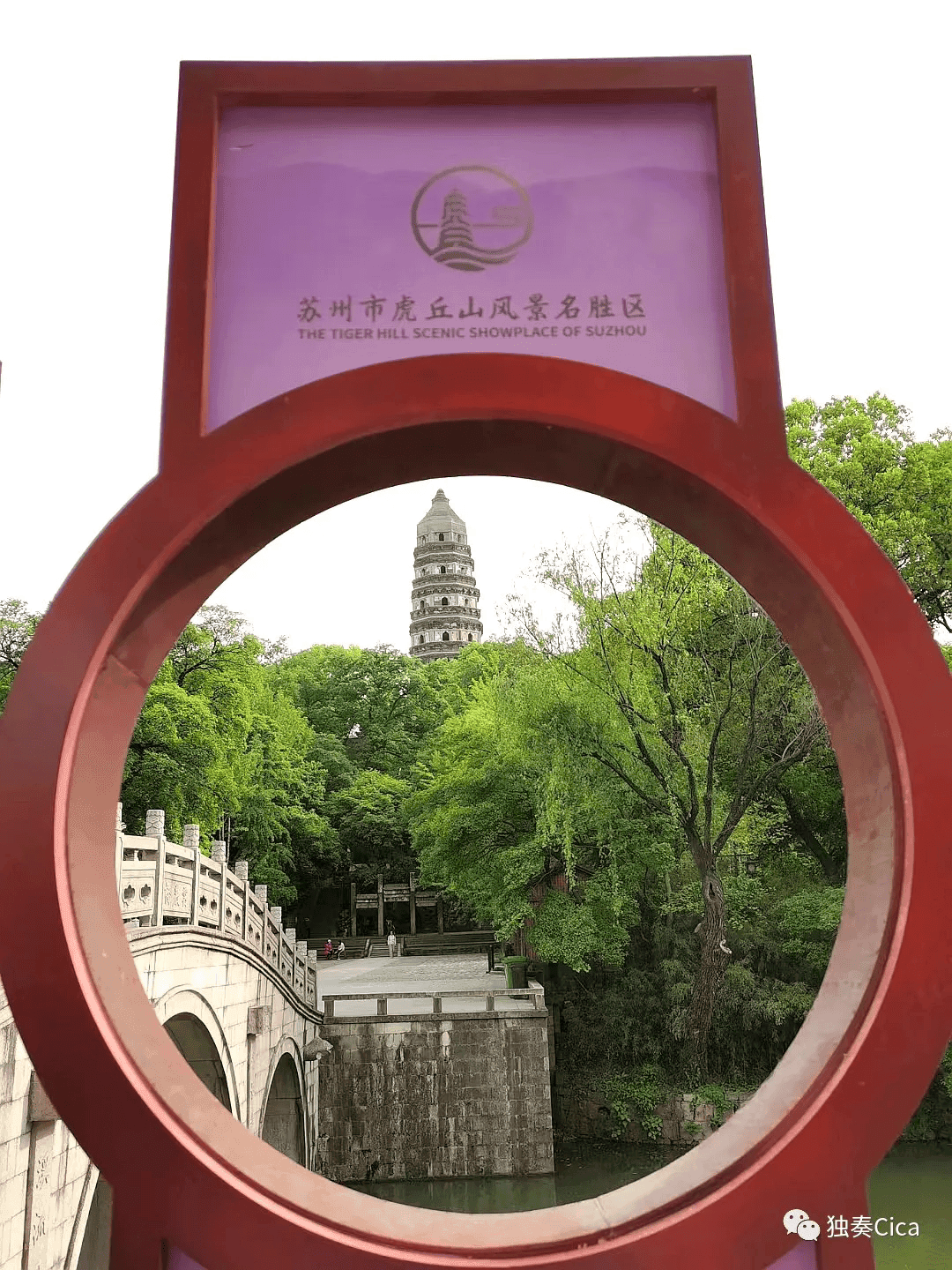
Tiger Hill(Tiger Hill)
虎丘山风景名胜区Pagoda & Classical Garden
苏州市姑苏区虎丘山门内8号
No. 8 HuQiu ShanMenNei
Gusu, Suzhou
May–October: 07:30–18:00 Last admission: 17:30 November–April: 07:30–17:30 Last admission: 17:00
Pricing
Peak season: ¥70 April, May, July, August, September & October Off-season: ¥60 January, February, March, June, November & December
Tiger Hill (虎丘) is one of Suzhou's great historical attractions, packing more than 2,500 years of history into a hill only 34 metres high. Ancient tomb legends, Buddhist history, stone inscriptions, Sword Pool and the distinctive leaning Tiger Hill Pagoda make this much more than a scenic viewpoint.
A visit unfolds almost chronologically through Suzhou's past, beginning with the ancient Kingdom of Wu and King Helü and eventually reaching the thousand-year-old pagoda at the summit.
Why is it called Tiger Hill?
According to one of Suzhou's best-known legends, King Helü (阖闾) of Wu was buried here after his death in 496 BC. A white tiger was said to have appeared on his tomb shortly afterwards, giving the hill the name 虎丘 — Tiger Hill. Another traditional explanation says the hill itself resembles a crouching tiger.
The white tiger appears again in later legend. Qin Shi Huang is said to have come to Tiger Hill searching for the valuable swords supposedly buried with Helü. When a white tiger appeared guarding the tomb, the emperor swung his sword at it but struck a rock instead — one of the stories associated with Sword-Testing Rock (试剑石).
Sword Pool & the Tomb of King Helü
Sword Pool (剑池) is one of the most atmospheric parts of Tiger Hill: a narrow stretch of water enclosed by steep stone walls covered with historic inscriptions.
Tradition holds that the tomb of King Helü lies beneath or near the pool and that 3,000 swords were buried with him. The story gave Sword Pool its name, although the legendary details surrounding the king's burial shouldn't be confused with established archaeological fact.
Tiger Hill Pagoda
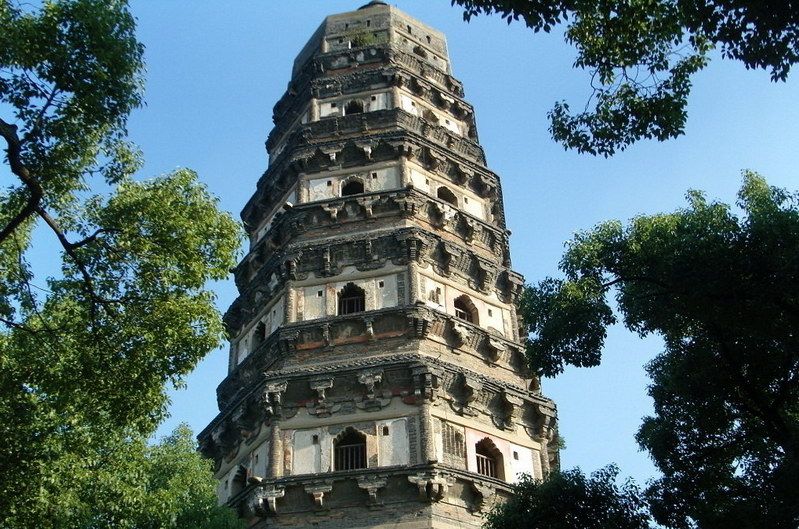
At the summit stands Yunyan Temple Pagoda (云岩寺塔), better known as Tiger Hill Pagoda (虎丘塔) and one of the defining landmarks of old Suzhou.
The seven-storey octagonal brick pagoda was completed in 961 and stands 47.7 metres high. Over the centuries it has developed a conspicuous lean, leading to inevitable comparisons with the Leaning Tower of Pisa — although Tiger Hill Pagoda is more than two centuries older.
The pagoda also forms part of the UNESCO World Heritage-listed Grand Canal of China.
More to Look Out For
There is plenty between the entrance and the pagoda. Look out for Thousand People Rock (千人石), Sword-Testing Rock (试剑石), Hanhan Spring (憨憨泉), the Third Spring Under Heaven (第三泉) and numerous old inscriptions and historic structures.
Thousand People Rock (千人石)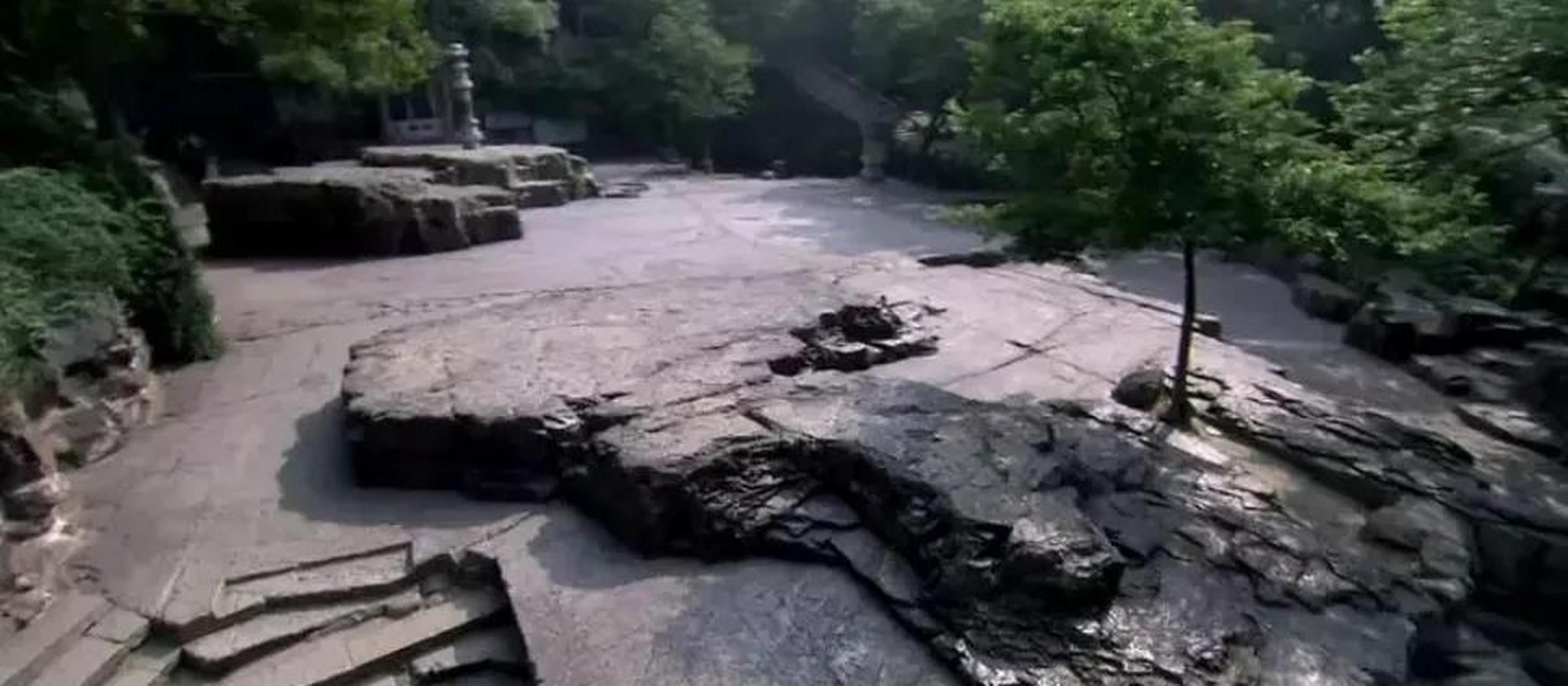
Sword-Testing Rock (试剑石)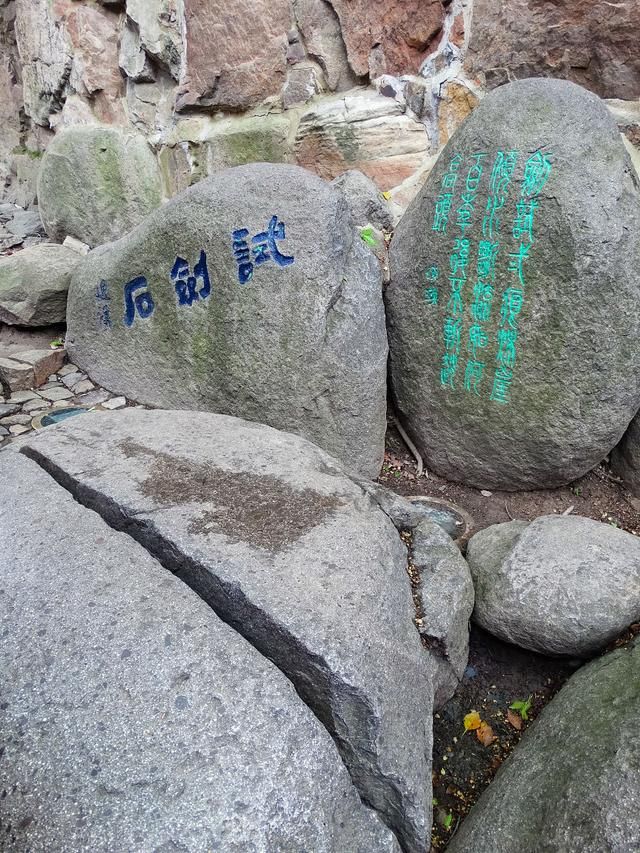
Hanhan Spring (憨憨泉)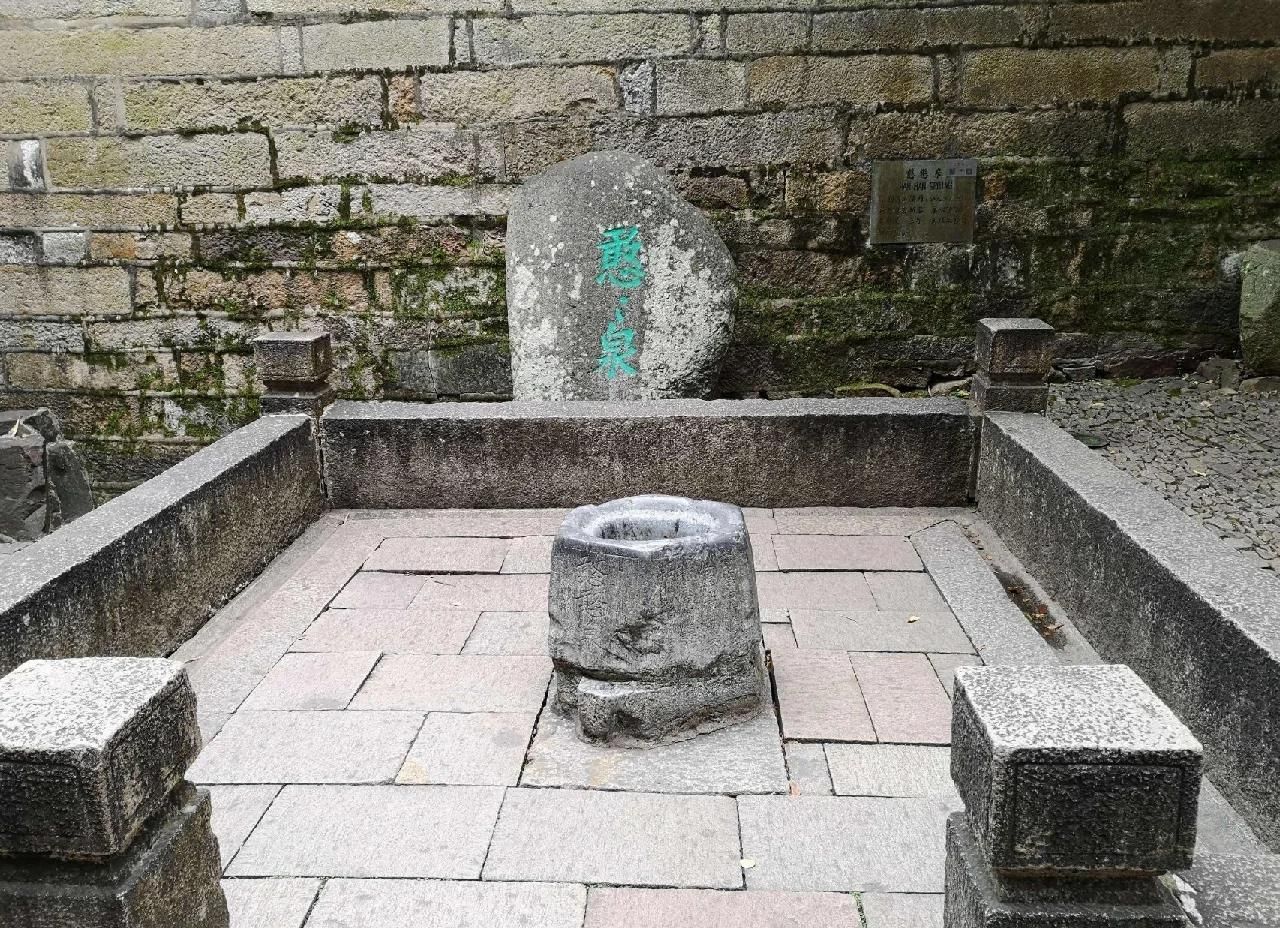
Third Spring Under Heaven (第三泉)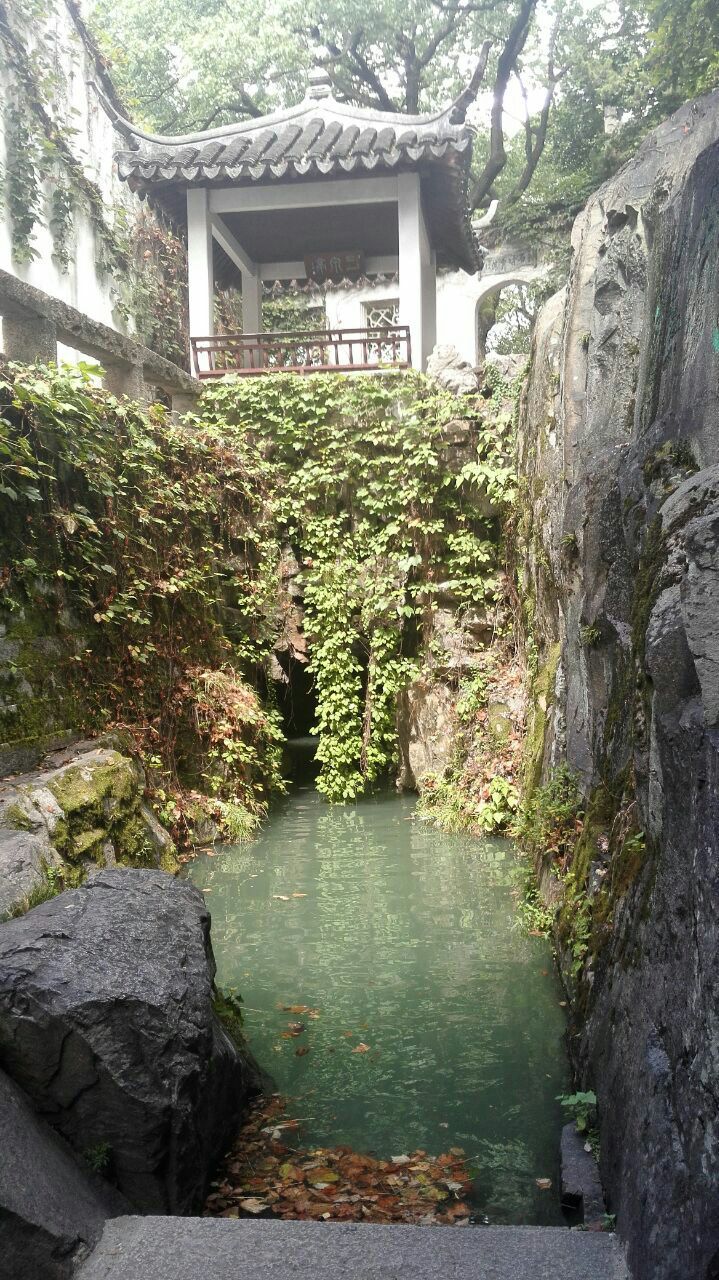
Boat to Shantang Street
One of the best ways to continue the day is by boat from Tiger Hill to Shantang Street.
The route follows the historic Shantang waterway and connects the Tiger Hill area with Seven-Li Shantang, allowing you to visit Tiger Hill first and then continue into one of Suzhou's most atmospheric historic districts without returning by road.
The published 2026 service connects Li Hongzhang Ancestral Hall East Pier (李鸿章祠东码头) at Tiger Hill with the Shantang Street area. The one-way fare is ¥50 per person. Services and schedules can change, so check at the pier before planning the rest of your day around a particular departure.

Suzhou Scene Tip
Don't rush straight to the pagoda. Sword Pool, the rock formations, inscriptions and smaller historical sites are a major part of the Tiger Hill experience.
For a particularly good Suzhou itinerary, visit Tiger Hill earlier in the day and take the boat to Shantang Street afterwards, staying around Shantang as the lights come on in the evening.