Tang Yin Former Residence Cultural Area
唐寅故居文化区Atmospheric cultural district combining the story of artist Tang Yin with historic courtyards, traditional arts, Hanfu, markets, dining and bars
廖家巷28号
28 LiaoJia Lane
Gusu, Suzhou
Open daily The cultural area is open to explore, while individual attractions, cultural spaces, restaurants, bars and shops keep their own opening hours.
Pricing
Free There is no general admission charge to enter the cultural area. Individual exhibitions, performances, Hanfu experiences and other activities may charge separately.
Built around the historic home of celebrated Ming Dynasty artist Tang Yin — better known as Tang Bohu — this 71,000-square-metre cultural district combines Suzhou history and traditional arts with a much more contemporary collection of cultural spaces, shops, restaurants, cafés and bars.
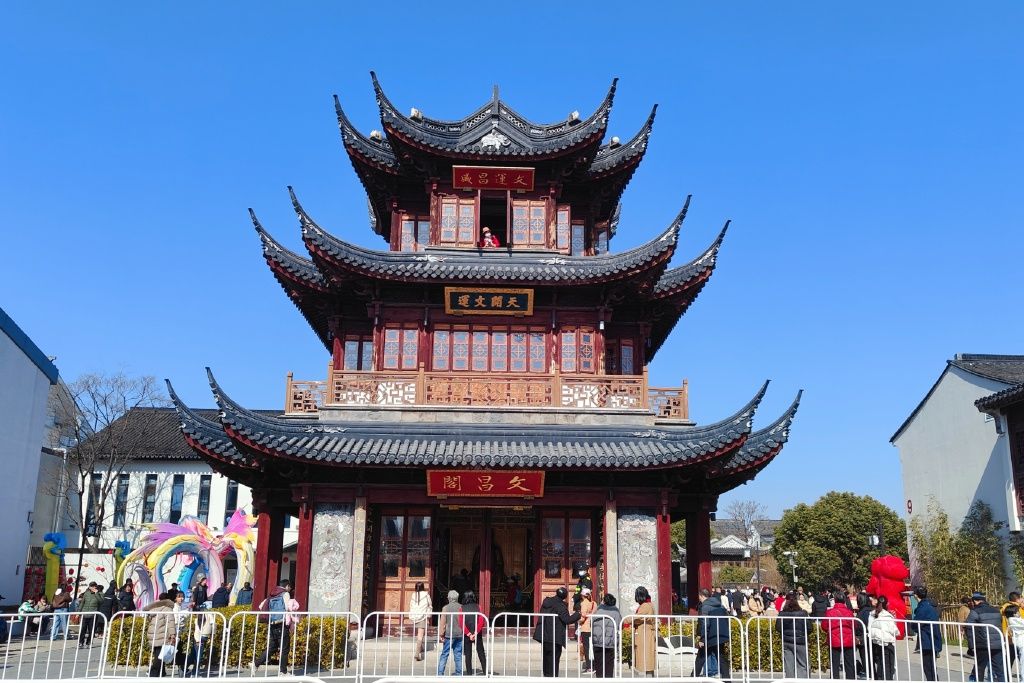
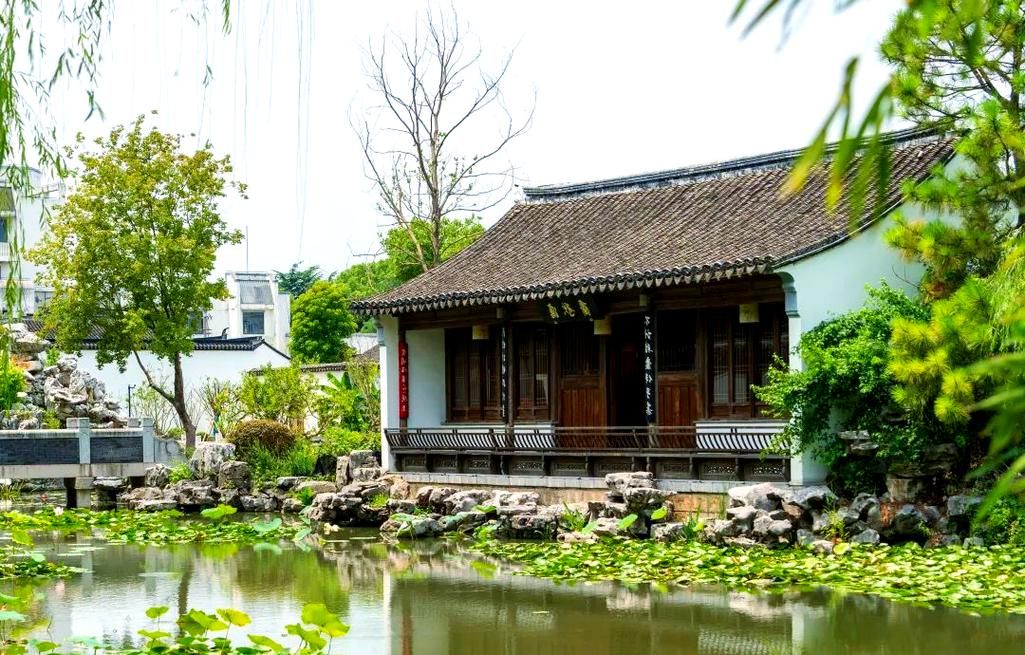
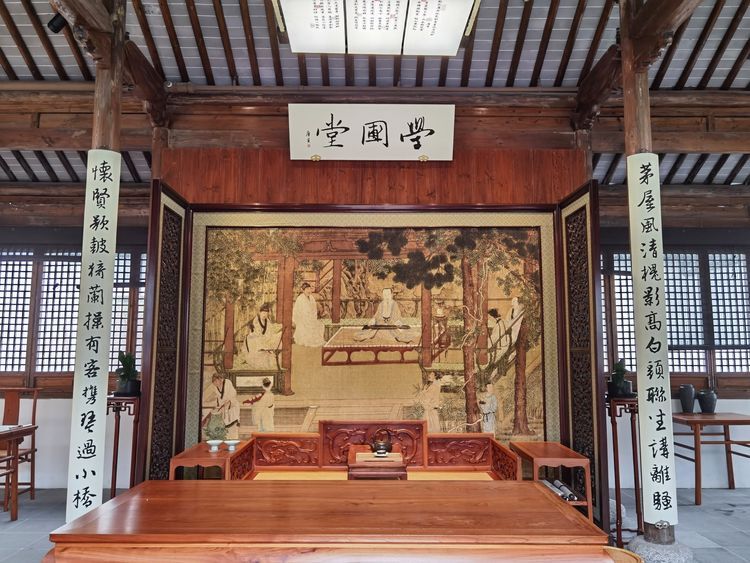
At its historical heart are the Site of Tang Yin's Former Residence, Tang Yin Shrine and WenChang Pavilion, but there's plenty more to explore around the surrounding gardens, courtyards and pedestrian areas.
Rather than treating this as a quick stop at a single historic house, allow some time to wander. Markets, exhibitions and performances are regularly held around the area, while its traditional architecture has also made it particularly popular for Hanfu and Chinese-style photography.
Tang Yin & the Peach Blossom Hermitage
Tang Yin (1470–1524) was a painter, poet and calligrapher and one of the most celebrated cultural figures of Ming Dynasty Suzhou. In China, he remains widely known by his other name, Tang Bohu (唐伯虎).
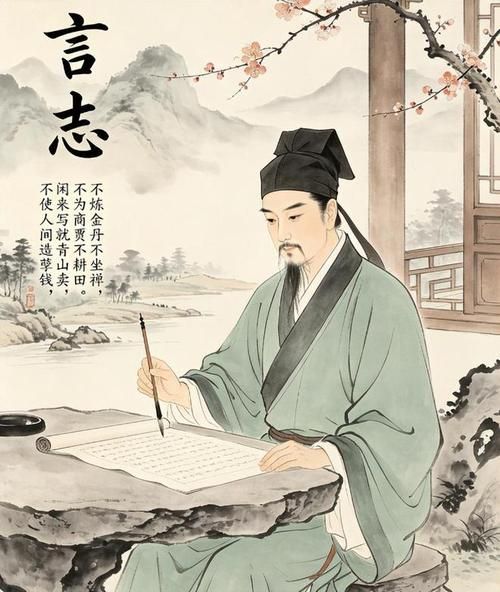
In 1505, Tang Yin chose this part of Taohuawu for his home and named it Peach Blossom Hermitage (桃花庵). The place became closely associated with his life, art and poetry, including his famous Peach Blossom Song.
The Site of Tang Yin's Former Residence (唐寅故居遗址) is a specific historic attraction within today's larger cultural area. The site has undergone considerable change over the centuries but retains its connection to Tang Yin and has been restored as an important part of the district.
Nearby Tang Yin Shrine (唐寅祠) and WenChang Pavilion add further layers to the story, making the wider cultural area a better introduction to Tang Yin than the former-residence site alone.
The Art of Taohuawu
Taohuawu isn't just the name of the neighbourhood. For centuries it was also associated with one of Suzhou's most distinctive traditional art forms: Taohuawu woodblock printing.
Its most famous products are known as Taohuawu Woodblock New Year Prints (桃花坞木版年画). Designs are carved into wooden blocks and printed onto paper, traditionally using different blocks to build up different colours.
Despite the name “New Year Prints”, the subject matter was much broader. Artists depicted folk stories, everyday life, occupations, landscapes, beautiful women, famous places and scenes of Suzhou itself.
The tradition survives today as part of China's recognised intangible cultural heritage. The Tang Yin cultural area continues that connection with traditional arts and crafts, including a dedicated Taohuawu woodblock-print experience.
Hanfu, Markets & Events
The gardens, bridges, whitewashed walls and traditional-style courtyards have made the area particularly popular for Hanfu and traditional Chinese-style photography.
Visitors dressed in elaborate historical costume are a common sight, and Hanfu rental, styling and photography experiences can be found around the area.
Markets, exhibitions, performances and seasonal events also regularly bring the district to life. Depending on when you visit, you may encounter traditional handicrafts, cultural products, food stalls, live performances and other activities.
Eat, Drink & Explore
The cultural area isn't purely a sightseeing attraction. Restaurants, cafés and bars are located within the district itself, so it's easy to stop for food or a drink and spend considerably longer here than you might expect from a former-residence attraction.
Immediately to the south, across a small road, is Taohuawuli (桃花坞里) — a separate neighbouring cultural and leisure development with additional places to eat, drink and explore.
With the historic sites, gardens, art, Hanfu scene and places to eat and drink, the Tang Yin Former Residence Cultural Area works particularly well as a relaxed afternoon or early-evening destination in Gusu.