Master of the Nets Garden(Shi Quan Jie)
网师园Classical Garden
苏州市姑苏区阔家头巷11号
No.11 KuoJiaTou Xiang
Gusu, Suzhou
March–October: 07:30–17:30 November–February: 07:30–17:00 Seasonal and holiday adjustments are possible.
Pricing
Peak season: ¥40 Off-season: ¥30 Wangshi Night Garden: separate ticket required
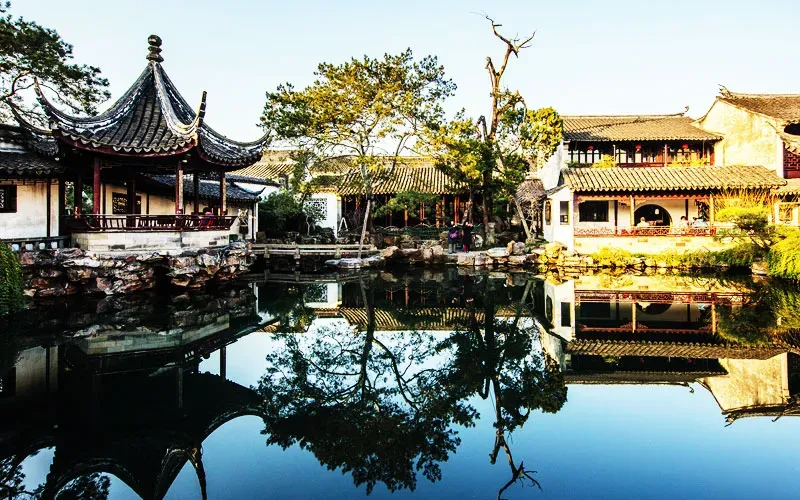
Master of the Nets Garden (网师园) is one of Suzhou's smallest major classical gardens — and one of the best examples of how traditional garden design can make a compact space feel considerably larger.
The garden originated during the Southern Song dynasty and was later rebuilt and developed by successive owners. Rather than relying on scale, its design tightly combines a residence with courtyards, pavilions, rockeries, plants and water, creating changing views as you move through a relatively small area.
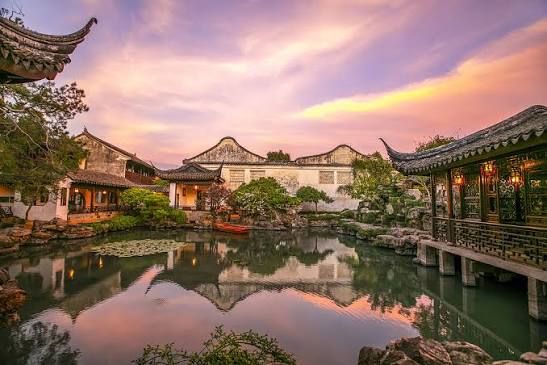
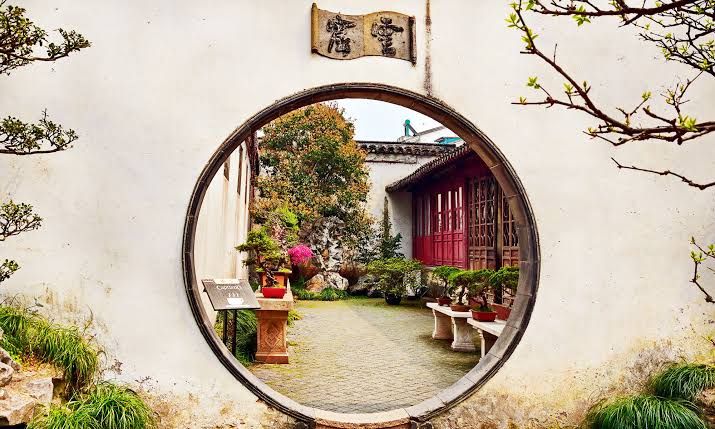
The central pond forms the heart of the garden. Buildings are positioned closely around the water, with carefully framed views making different parts of the garden appear and disappear through windows, doorways and covered walkways. The result is often described by Chinese garden authorities as an example of achieving “more with less.”
Master of the Nets Garden was included in the UNESCO World Heritage listing of the Classical Gardens of Suzhou in 1997.
Wangshi Night Garden
After the daytime garden closes, Master of the Nets hosts one of Suzhou's best-established cultural night experiences.
Wangshi Night Garden (网师夜花园) combines an evening walk through the illuminated garden with short performances of traditional Suzhou arts, including Kunqu Opera, Pingtan and Chinese music. It operates as a separate ticketed experience, with its own evening admission and opening hours.
The night programme generally operates from March to November, but dates and times vary during the season.
Suzhou Scene Tip
This is a good choice if you've already seen one of Suzhou's larger gardens. Its appeal is almost the opposite of the Humble Administrator's Garden: small, intimate and exceptionally concentrated, rather than expansive.
March is particularly attractive when the garden's magnolias are in bloom.